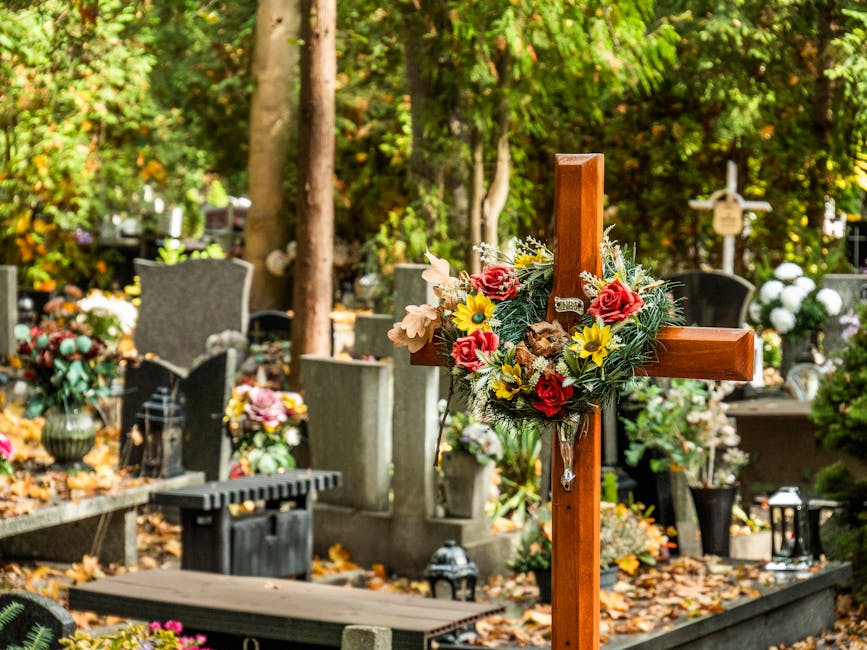
Lewisham Council rules for leaving flowers at Sydenham memorials
Posted on 13/10/2026
Lewisham Council rules for leaving flowers at Sydenham memorials: what to know before you place a tribute
If you're planning to leave flowers at a memorial in Sydenham, you probably want to do it quietly, respectfully, and without causing any trouble for anyone else. That's the heart of the matter. The Lewisham Council rules for leaving flowers at Sydenham memorials are mainly about keeping memorial spaces tidy, safe, and considerate for all visitors, while still allowing people to pay their respects in a personal way.
It sounds simple, but in practice there are a few things worth knowing: where flowers can be placed, whether items may be removed later, what kinds of tributes are more suitable, and how to avoid creating extra work for council teams or upsetting other families. In a place like Sydenham, where memorials may sit beside paths, grassed areas, churchyards, or public open spaces, a little local awareness goes a long way.
This guide walks through the practical side of it all in plain English. You'll find what the rules usually mean day to day, how to leave flowers respectfully, what to watch out for, and how to make a tribute that feels fitting rather than fussy. Truth be told, most issues come down to good judgment rather than anything complicated.
Need flowers for a memorial tribute nearby? You can also browse our funeral flowers in Sydenham and sympathy flowers for tasteful options that suit memorial settings.
Table of Contents
- Why Lewisham Council rules for leaving flowers at Sydenham memorials Matters
- How Lewisham Council rules for leaving flowers at Sydenham memorials Works
- Key Benefits and Practical Advantages
- Who This Is For and When It Makes Sense
- Step-by-Step Guidance
- Expert Tips for Better Results
- Common Mistakes to Avoid
- Tools, Resources and Recommendations
- Law, Compliance, Standards, or Best Practice
- Options, Methods, or Comparison Table
- Case Study or Real-World Example
- Practical Checklist
- Conclusion
- Frequently Asked Questions
Why Lewisham Council rules for leaving flowers at Sydenham memorials Matters
Memorial flowers are not just decoration. They carry grief, remembrance, gratitude, and sometimes apology too. When you place them in a shared public space, you're doing something personal in a place that has to work for everyone. That is why Lewisham Council rules for leaving flowers at Sydenham memorials matter: they help balance individual remembrance with public maintenance, safety, and respect.
In a practical sense, rules exist so that paths stay clear, grass can be maintained, litter does not build up, and tributes do not create hazards in windy weather or wet conditions. A bunch of flowers can be beautiful in the morning and, a few days later, a soggy obstacle near a walkway. Not ideal.
There is also the emotional side. Families often return to a memorial expecting to find things exactly as they left them. If a council or site manager has to move or remove items, that can feel upsetting unless the expectations were clear from the start. So the rules are really about transparency as much as tidiness.
One small but important point: "memorial" can mean different things. It might be a permanent stone memorial, a temporary tribute site, a grave-adjacent space, or a public remembrance area. The rules can vary depending on who manages the land and what type of memorial it is. That distinction matters more than many people realise.
Key takeaway: the safest approach is to assume the memorial is shared space, keep floral tributes modest and tidy, and check for site-specific guidance where possible before leaving anything behind.
How Lewisham Council rules for leaving flowers at Sydenham memorials Works
While exact arrangements can vary by location, the practical process usually works in a fairly straightforward way. You leave flowers in an approved or suitable place, the tribute stays for a reasonable period, and any items that become unsafe, damaged, or intrusive may be removed by the relevant authority or site caretaker.
That sounds bureaucratic, but really it is just the everyday management of a public memorial area. Think of it as a shared agreement: you are allowed to show respect, but the space still needs to be looked after.
Typical expectations you may encounter
- Flowers should usually be neat, modest, and placed where they do not block access.
- Loose cellophane, broken stems, ribbons, and packaging may need to be removed.
- Large arrangements, candles, glass items, or plastic clutter may not be suitable in open public areas.
- Items left too long may be cleared as part of routine maintenance.
- Memorial-specific rules may differ from one site to another, even within Sydenham.
If you are unsure, the best practical habit is to look for signage, ask the site manager if there is one, or check the council's local guidance if it is available. In our experience, most confusion comes from people assuming one memorial behaves like another. It often does not.
Also, timing matters. Leaving flowers just before a significant date can make perfect sense, but if maintenance is scheduled shortly after, the tribute may not stay as long as you expect. That is not disrespect; it is just the rhythm of a maintained public site.
For a more robust tribute, some people choose arrangements that travel well and look tidy for longer, such as a sympathy florist choice or a more structured arrangement from our tributes range. They can be easier to place neatly and less likely to collapse in wet weather.
Key Benefits and Practical Advantages
Following the local approach to memorial flowers is not about being fussy for the sake of it. There are real benefits, and they are worth spelling out because they make the whole experience calmer for everyone involved.
| Approach | What it helps with | Best for |
|---|---|---|
| Small, tidy bouquet | Easy placement, lower maintenance, respectful appearance | Short visits, personal remembrance, public memorials |
| Structured sympathy arrangement | Stability and longer-lasting presentation | Family tributes, anniversaries, formal remembrance |
| Large mixed display | Visual impact, ceremonial feel | Private land, organised commemorations, approved memorial events |
| Loose informal tributes | Personal expression, flexibility | Only where site rules allow and access is unaffected |
Practical advantages include:
- Less risk of removal: a tidy tribute is less likely to be considered clutter.
- Better durability: smaller, simpler arrangements often survive wind and rain more gracefully.
- Clearer respect: an orderly tribute looks considered, not accidental.
- Less stress for you: you are not left wondering whether you have done the wrong thing.
- Better relations with site staff: always a bonus, especially at sensitive locations.
There is also a quieter benefit that people sometimes overlook: a modest tribute can feel more intimate. A single bunch of white or pale flowers, placed carefully, can say more than a big display. No grand gestures required. Sometimes the smallest thing says the most.
Who This Is For and When It Makes Sense
This topic matters to a fairly wide group of people, and not just to those arranging a funeral. If you live nearby, visit a memorial regularly, or need to leave flowers for an anniversary or personal remembrance, the rules affect you directly.
You may need this guidance if you are:
- a family member wanting to pay respects at a Sydenham memorial
- a friend or neighbour arranging a small tribute
- someone marking a remembrance date, birthday, or anniversary
- a local organiser planning a memorial visit or informal gathering
- a florist preparing flowers for a tribute delivery in the area
It also makes sense if you are trying to decide what sort of tribute is appropriate. For example, if you are sending flowers from a distance, a more compact arrangement may be safer than a loose bouquet. If you are visiting in person, you may prefer something simple that can be placed neatly without needing extra trimming or support.
And yes, sometimes people are anxious because they do not know whether flowers will be accepted at all. That is common. The reassuring answer is that floral tributes are usually part of memorial culture in the UK, but they are normally expected to be respectful, practical, and not disruptive. That's the key bit.
Step-by-Step Guidance
If you want to leave flowers at a Sydenham memorial and keep things straightforward, use this sequence. It is simple, but it works.
- Identify the memorial type. Is it a churchyard memorial, a public memorial, a grave marker, or a council-managed remembrance space? The answer changes what is sensible.
- Look for local signage. There may be instructions about flowers, candles, wreaths, or objects that should not be left behind.
- Choose an appropriate tribute. Smaller, sturdier arrangements tend to be the safest choice for shared public spaces.
- Remove unnecessary packaging. Leave the tribute looking clean and intentional, not wrapped like a delivery parcel.
- Place it carefully. Avoid blocking steps, gates, paths, maintenance access, or existing memorial inscriptions.
- Check how long it is likely to remain. If the site is maintained regularly, expect items to be cleared after a reasonable period.
- Return only if suitable. If you plan to refresh the flowers later, make sure repeated visits are welcome and practical for the site.
A small real-world example: on a damp Monday morning after a memorial weekend, a flower bunch may look lovely on arrival but begin to slump by afternoon. If the tribute has no water source and sits in the rain, it can become messy quickly. A florist-designed sympathy piece or a compact arrangement with good structure will usually hold up better. Not magic. Just better mechanics.
If you need a local option that feels appropriate for remembrance, consider our in memoriam wreath, loving memory wreath, or the more understated peaceful wreath. They are the sort of pieces that feel dignified without shouting for attention.
Expert Tips for Better Results
Most people do not need a lecture. They need a few good, sensible tips that save time and avoid awkwardness. So here are the ones that matter most.
Choose flowers that age gracefully
Memorial tributes are often seen over several hours or days, not just a five-minute visit. Roses, chrysanthemums, lilies, alstroemeria, and carnations are commonly chosen because they tend to hold shape reasonably well. A mixed bouquet can be lovely too, but keep it balanced and not too sprawling.
Use colour with intention
White is often chosen for remembrance because it feels calm and respectful. Soft pinks, creams, and purples are also common. Red may be meaningful in some situations, especially where personal significance matters, though it can feel more dramatic. If you are unsure, a muted palette is usually the safest choice.
Think about weather and movement
Sydenham weather is not exactly famous for being predictable, is it? Wind and drizzle can knock lighter tributes around. If the memorial is outdoors, avoid arrangements that depend heavily on delicate wrapping or loose single stems without support.
Keep it specific to the person if possible
A tribute feels more heartfelt when there is a personal connection. That might mean choosing the person's favourite flower, colour, or style. A small note can help too, provided it is appropriate for the site.
Be discreet when the space is busy
If the memorial is in a place with other visitors, keep your visit calm and unhurried. A quiet moment, a gentle placement, then space for the next person. Simple, really. And better for everyone.
If you need a same-day option, our same day flower delivery in Sydenham can help when time is tight, while next day flower delivery is useful if you have a little more flexibility.
Common Mistakes to Avoid
Most problems at memorial sites are avoidable. The tricky part is that they often happen because someone meant well. That's the honest truth.
- Leaving oversized arrangements in a narrow space. Beautiful, yes. Practical, not always.
- Using glass containers where they could break. Safer alternatives are better in public settings.
- Adding too much packaging. It can look untidy and may be removed.
- Assuming all memorials have the same rules. They do not.
- Placing flowers where maintenance crews need access. This causes avoidable friction.
- Ignoring weather conditions. A tribute that looks fine in dry weather may be a mess after rain.
- Expecting items to remain indefinitely. Councils and site managers may clear memorial items as part of upkeep.
One small point that catches people out: artificial flowers. Some sites allow them, some do not, and some allow them only in certain forms. If you are using them for longevity, check before relying on them. There is nothing worse than a tribute being removed because of a simple misunderstanding.
Also, do not overcomplicate things. A memorial tribute does not need extra ribbons, balloons, or decorative bits unless the location clearly welcomes them. In a public setting, restraint usually wins.
Tools, Resources and Recommendations
You do not need special equipment to leave flowers respectfully, but a few practical items can make the process smoother.
Helpful things to have
- a small pair of scissors or florist snips for trimming stems
- a simple wrap or bag to protect flowers on the way there
- a card or note if the memorial setting allows it
- a vase or water source only if the site explicitly supports it
- a compact arrangement tray or tied bouquet for outdoor stability
As for flower choices, the most useful products tend to be those built for sympathy and remembrance rather than celebration. A carefully made sympathy florist choice 200 or heartfelt sympathy posy can be a better fit than a loose seasonal bunch if you want the tribute to stay tidy.
For people who prefer something simpler, white roses service arrangement and flower petals may suit certain memorial gestures, though suitability depends on the exact site. Sometimes less is more. Often, actually.
If you need broader background on product care, our flower care guidance is useful for keeping tributes fresh for longer once they are placed.
Law, Compliance, Standards, or Best Practice
It would be misleading to pretend there is one universal rulebook for every memorial in Sydenham. The reality is more layered. Some sites are managed by the council, some by churches or cemeteries, and some by private or community bodies. That means the practical rules for leaving flowers can differ even when the emotional intent is the same.
From a best-practice standpoint, the guiding principles are usually:
- Respect the space: do not block access or damage surfaces.
- Follow site-specific instructions: signs and local guidance matter.
- Keep the tribute safe: avoid breakable or hazardous items where possible.
- Allow for maintenance: memorial spaces need cleaning and upkeep.
- Be considerate of others: the tribute should not overwhelm the site.
There may also be local rules connected with public land management, health and safety, litter control, and cemetery maintenance. Those are not there to make life difficult. They exist so memorial spaces can stay dignified and usable.
If you are arranging flowers for a memorial service rather than a casual visit, it can help to think like a florist and like a site manager at the same time. Will it travel well? Will it sit neatly? Can someone else move around it safely? Those are the right questions.
Options, Methods, or Comparison Table
If you are deciding what kind of tribute to leave, this quick comparison may help.
| Option | Best use | Pros | Watch-outs |
|---|---|---|---|
| Hand-tied bouquet | Short personal visit | Simple, affordable, easy to carry | May need trimming or support outdoors |
| Posy or basket | Neat memorial placement | Stable, compact, tidy | Less dramatic visually |
| Wreath | Formal remembrance | Structured, respectful, long-established form | Needs enough space |
| Spray or tribute piece | Service-related memorials | Traditional and dignified | Can be too large for some public memorials |
| Loose flowers | Very informal gesture | Personal and flexible | Can look untidy if not arranged carefully |
For many readers, the posy or wreath route is the least stressful choice. You get a deliberate look without needing to wonder whether the tribute will collapse halfway through the afternoon. A tiny detail, but a helpful one.
Case Study or Real-World Example
A family in Sydenham wanted to leave flowers at a local memorial on the anniversary of a loved one's passing. They were unsure whether a larger display would be acceptable, so they started by checking the memorial space itself. There was limited room near the stone, a narrow path beside it, and regular upkeep in the area.
Rather than risk blocking access, they chose a compact sympathy arrangement with soft white and pale lilac flowers. They removed the outer wrap before arriving, placed the flowers neatly to one side, and added a simple handwritten card. Nothing fancy. But it felt right.
A week later, when they returned, the tribute had not been disturbed in any awkward way. It had been left in place long enough to matter, but it had not created clutter. That is the balance you are aiming for. Respectful, manageable, and calm.
To be fair, not every visit goes that smoothly. But when people keep the tribute small, stable, and site-aware, they usually avoid most of the common headaches.
Practical Checklist
Use this quick checklist before you leave flowers at a Sydenham memorial:
- Have I confirmed who manages the memorial site?
- Is there any signage about flowers, candles, or tributes?
- Is my arrangement neat, compact, and suitable for a public space?
- Have I removed excess packaging or anything unsafe?
- Will the flowers block access, maintenance, or other visitors?
- Have I chosen flowers that suit the weather and the setting?
- Do I understand that items may be cleared later as part of upkeep?
- Is the tribute respectful to the person and appropriate to the site?
- Do I need a card, note, or message, and is that welcome here?
- Have I allowed enough time to place the flowers calmly and carefully?
If you can tick those off, you are usually in very good shape. Nothing fancy. Just sensible, respectful, and quietly thoughtful.
For more local floral options, you may also want to explore our flower delivery in Sydenham and Sydenham florist pages for arrangements that can be tailored to remembrance needs.
Conclusion
The Lewisham Council rules for leaving flowers at Sydenham memorials are really about shared respect. Leave something beautiful, keep it practical, and make sure the space can continue to serve everyone who uses it. If you remember just that, you will usually make a good choice.
The best memorial tributes are rarely the biggest ones. They are the ones that feel sincere, sit well in the space, and do not cause problems for anyone else afterwards. That may sound plain, but plain is often what works best in places of remembrance.
If you are choosing flowers right now, think about stability, simplicity, and meaning. A neat bouquet, posy, wreath, or sympathy arrangement can say everything you need it to say without overdoing it. And honestly, that's often enough.
Get a free quote today and see how much you can save.
Frequently Asked Questions
Can I leave flowers at a Sydenham memorial anytime?
Usually you can leave flowers at a memorial, but the exact timing and placement depend on who manages the site and whether there are local instructions. If there is signage, follow that first. If not, use common sense and keep the tribute neat and unobtrusive.
Will Lewisham Council remove flowers from memorials?
They may remove flowers or other items if they become unsafe, obstructive, damaged, or left beyond the period allowed by the site's maintenance routine. That does not mean tributes are unwelcome; it simply means memorial spaces need ongoing care.
What kind of flowers are best for a memorial tribute?
Simple, sturdy flowers that hold their shape well are usually the best choice. White roses, lilies, chrysanthemums, carnations, and mixed sympathy arrangements are common options because they feel respectful and tend to look tidy.
Are artificial flowers allowed at Sydenham memorials?
That depends on the specific memorial site. Some locations allow artificial flowers, while others prefer fresh tributes or limit decorative items. Always check local guidance if you are unsure.
Can I leave candles, balloons, or keepsakes too?
Not always. In public memorial spaces, candles, balloons, glass items, and loose keepsakes may be restricted for safety or maintenance reasons. Flowers are usually the safest and most widely accepted tribute.
How long will flowers stay at a memorial?
There is no single answer. Flowers may remain for a short or reasonable period, depending on the site's maintenance schedule and local practice. If you need the tribute to stay present longer, choose a stable arrangement and expect that some items may still be cleared later.
What is the most respectful way to place flowers?
Arrive quietly, remove excess packaging, place the flowers neatly where they do not block access, and avoid crowding the memorial. A calm, simple gesture is usually the most respectful.
Should I choose a bouquet or a wreath?
A bouquet is more informal and easy to carry, while a wreath is more structured and often feels more formal or ceremonial. For a public memorial, either can work if the space allows it, but compact forms are usually easier to manage.
Can I order memorial flowers for delivery in Sydenham?
Yes, many people arrange local delivery so the tribute arrives on time and in good condition. If you need a suitable arrangement, look for sympathy or tribute styles that match the setting rather than an overly decorative bouquet.
What should I do if I am not sure whether flowers are allowed?
Check for on-site signs, ask the site manager if there is one, or choose a very small, simple tribute that is unlikely to cause an issue. When in doubt, understated is safer than elaborate.
Are there rules for where flowers can be placed around the memorial?
Yes, there often are, even if they are not heavily publicised. Flowers should not block paths, steps, gates, or access for maintenance. Keeping them close to the memorial and away from traffic areas is usually best.
What if I want a tribute that lasts longer?
Choose a sturdier design, reduce packaging, and ask for a sympathy arrangement built for outdoor placement. A florist can often suggest a more durable option that still feels personal and tasteful.
Memorial flowers are small things, really, but they carry a lot. If you choose with care, the gesture lands exactly where it should: quietly, respectfully, and with heart.